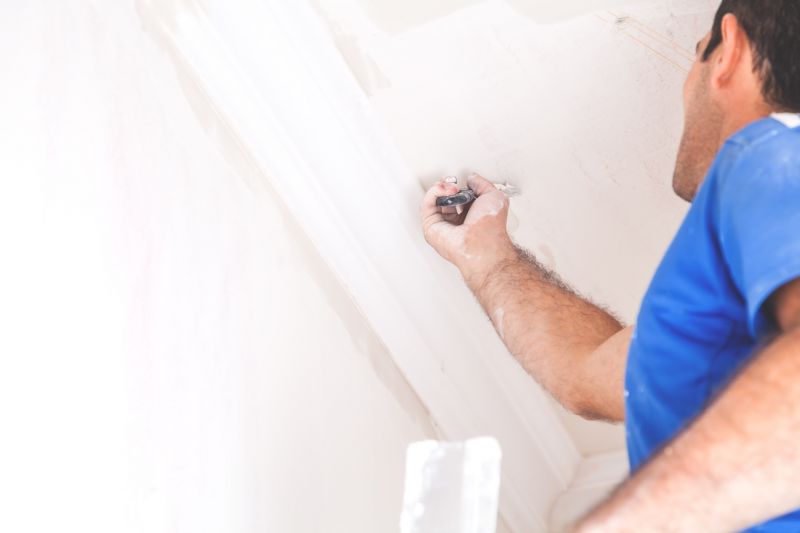
Leaking Ceiling Repair in Charleston, SC
Leaking ceiling repair services address issues caused by water infiltration that results in damage or staining on interior ceilings. These projects typically involve identifying the source of the leak, which may stem from roofing problems, plumbing malfunctions, or HVAC system leaks, and then restoring the affected ceiling surfaces. Homeowners often seek this service to prevent further interior damage, mold growth, or structural deterioration, especially after noticing water stains, sagging, or peeling paint.
Before requesting leaking ceiling repair, property owners usually want to understand the extent of the damage, the potential causes of the leak, and the necessary steps for repair. Clarifying whether the repair will include addressing underlying issues such as roof leaks or plumbing faults is common, along with inquiries about the scope of work needed to restore the ceiling’s appearance and integrity. Proper assessment ensures that the repair process effectively resolves the leak and prevents future problems.
Many property owners in Charleston, SC look into Leaking Ceiling Repair for repairs, replacements, upgrades, and appearance-related improvements.
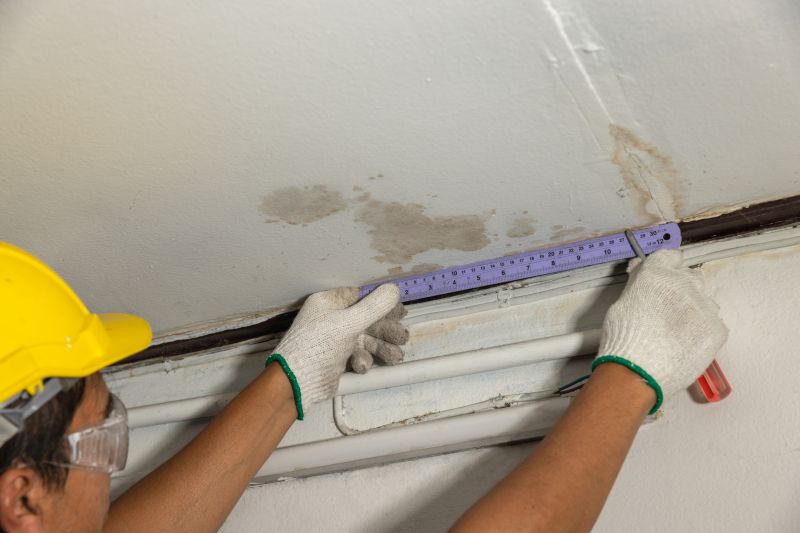
Identifying Ceiling Leaks
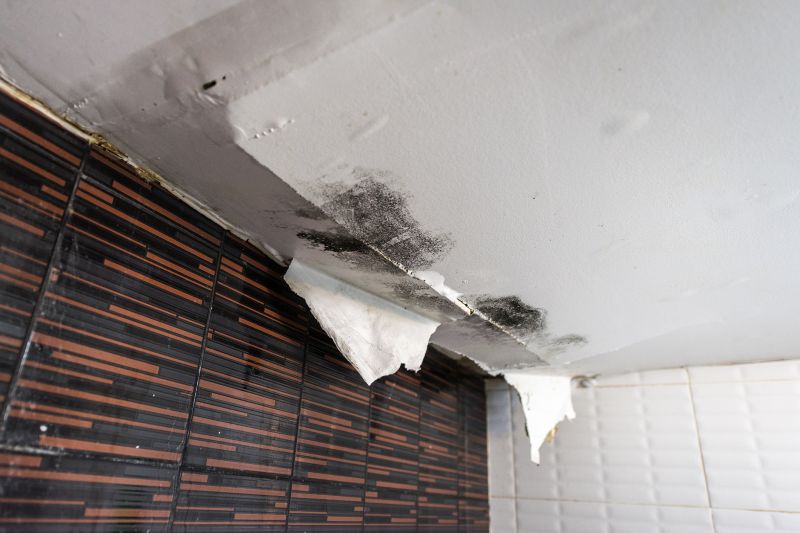
Signs of water stains, sagging, or cracking indicate potential ceiling leaks.
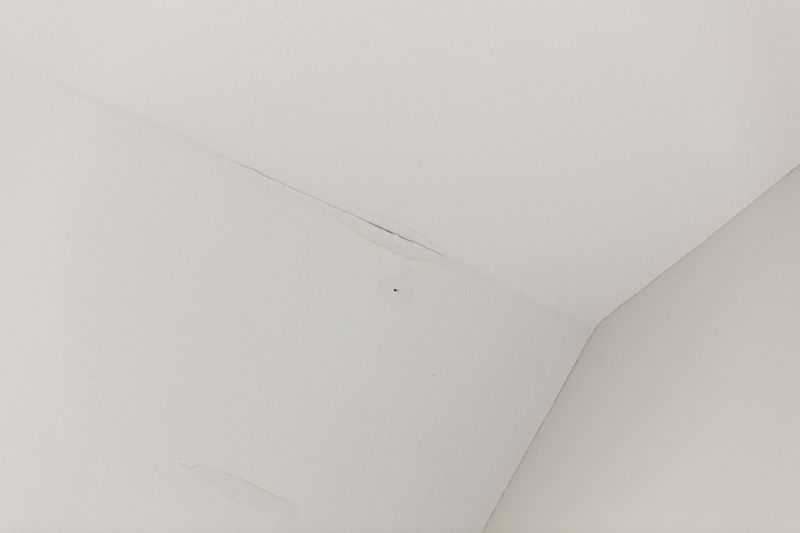
Common Causes Of Ceiling Leaks
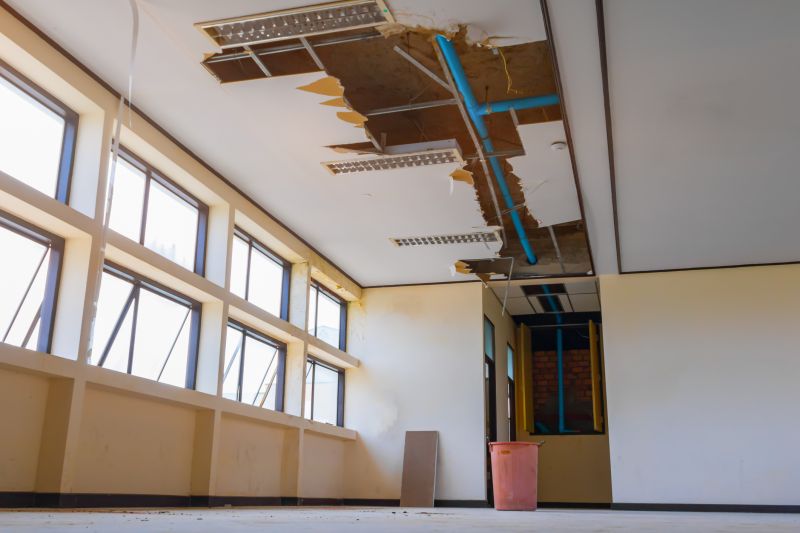
Roof damage, plumbing issues, and hvac condensation are frequent sources of ceiling water intrusion.

Repair And Restoration Options
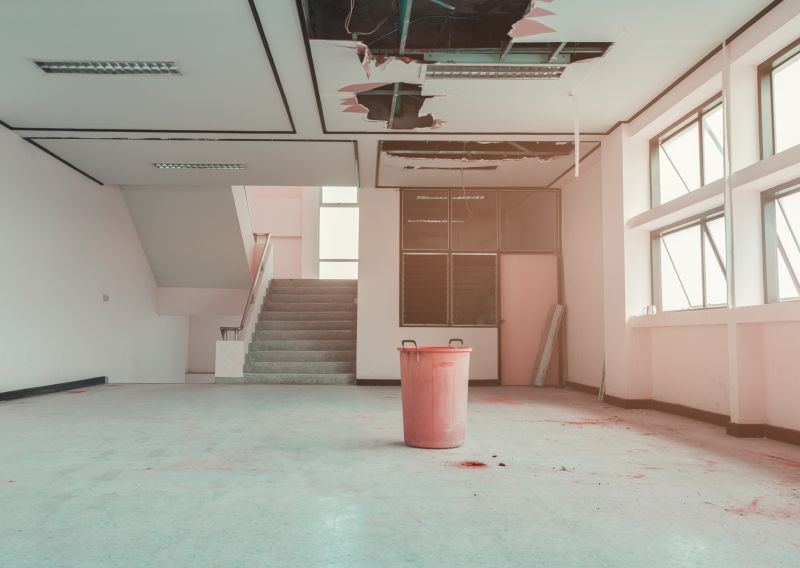
Effective solutions include leak sealing, drywall replacement, and moisture mitigation to restore ceiling integrity.
Leaking Ceiling Repair in Charleston, SC
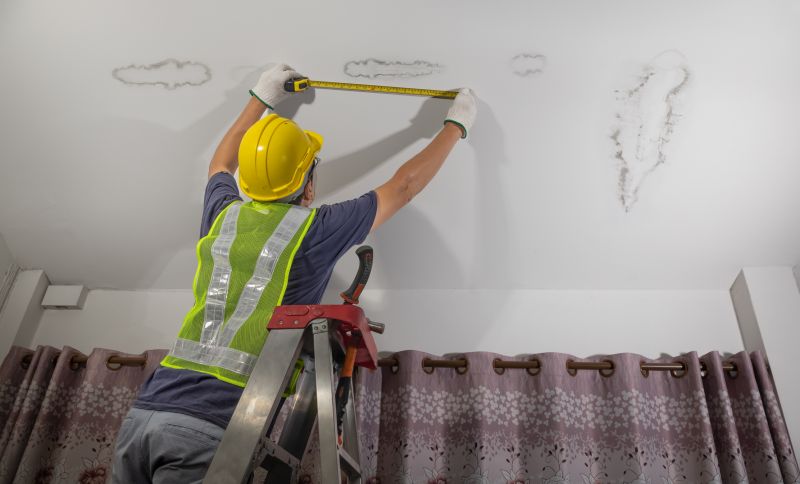
Leaking ceiling repair services address issues caused by water infiltration that results in damage or staining on interior ceilings. These projects typically involve identifying the source of the leak, which may stem from roofing problems, plumbing malfunctions, or HVAC system leaks, and then restoring the affected ceiling surfaces. Homeowners often seek this service to prevent further interior damage, mold growth, or structural deterioration, especially after noticing water stains, sagging, or peeling paint.
Before requesting leaking ceiling repair, property owners usually want to understand the extent of the damage, the potential causes of the leak, and the necessary steps for repair. Clarifying whether the repair will include addressing underlying issues such as roof leaks or plumbing faults is common, along with inquiries about the scope of work needed to restore the ceiling’s appearance and integrity. Proper assessment ensures that the repair process effectively resolves the leak and prevents future problems.
Many property owners in Charleston, SC look into Leaking Ceiling Repair for repairs, replacements, upgrades, and appearance-related improvements.
Common Leaking Ceiling Repair Jobs
Ceiling Leak Repairs - addressing leaks to prevent water damage and mold growth.
Water Damage Restoration - repairing ceilings affected by ongoing or past leaks.
Ceiling Patchwork - fixing cracks, holes, or sagging caused by leaks.
Stain and Discoloration Removal - restoring ceiling appearance after water stains develop.
Leak Source Identification - locating the origin of roof or plumbing leaks affecting ceilings.
Preventative Sealant Application - applying sealants to reduce future leak risks.
Leaking Ceiling Repair Questions
What causes a ceiling to leak? Leaks are often due to roof damage, plumbing issues, or HVAC condensation that allows water to seep into ceiling materials.
How can I tell if my ceiling is leaking? Signs include water stains, discoloration, peeling paint, or sagging drywall that indicate water intrusion.
Is it necessary to repair the ceiling immediately? Prompt repairs help prevent further damage, mold growth, and structural issues in the affected area.
What types of ceilings can be repaired for leaks? Repairs are possible on various ceiling types, including drywall, plaster, and drop ceilings, depending on the damage.
Request Leaking Ceiling Repair in Charleston, SC
Use the quote form on this page to share the basics of your project and request more information for the type of work you need.